
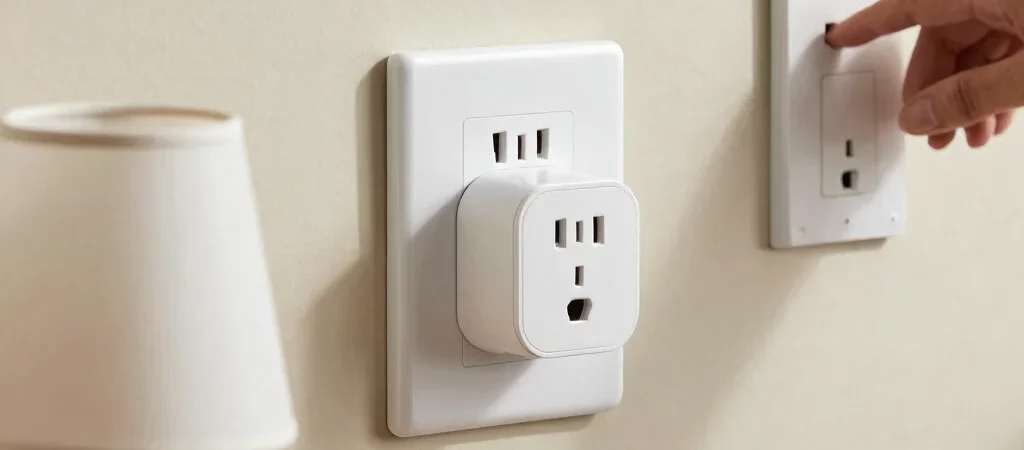
A smart plug sounds like a small decision: connect it, add a lamp, and control the lamp from your phone. In practice, the outlet’s location, the device plugged into it, and the controls you already use determine whether it feels convenient or gets ignored. Check those details before getting drawn into feature comparisons.
Start with the outlet itself
Look at the outlet you plan to use and note whether it shares a wall plate with another socket or sits behind furniture. Plug dimensions can matter when a device blocks the neighboring outlet or protrudes where a bookcase or sofa sits close to the wall. Also check the product’s stated electrical limits against the appliance you intend to connect; don’t assume every plug is appropriate for every load.
Fit the plug to your routine
Decide how you want to control it: an app, a voice assistant, a schedule, or a physical switch you can reach. Compatibility should be confirmed against the exact platform and setup you use, not inferred from a broad phrase such as “works with smart home.” If other people in the home need to operate the device, consider whether the controls remain clear without relying on one person’s phone.
Keep the feature list in perspective
Energy monitoring or additional automation may be useful when it answers a real question about your setup, but an unused feature adds little value. Compare setup requirements, app controls, physical size, and supported schedules before treating a long feature list as a reason to choose one option. Smart Reviews may earn a commission when readers purchase through affiliate links; that disclosure belongs beside recommendations, not in place of a clear explanation of who each option suits.


